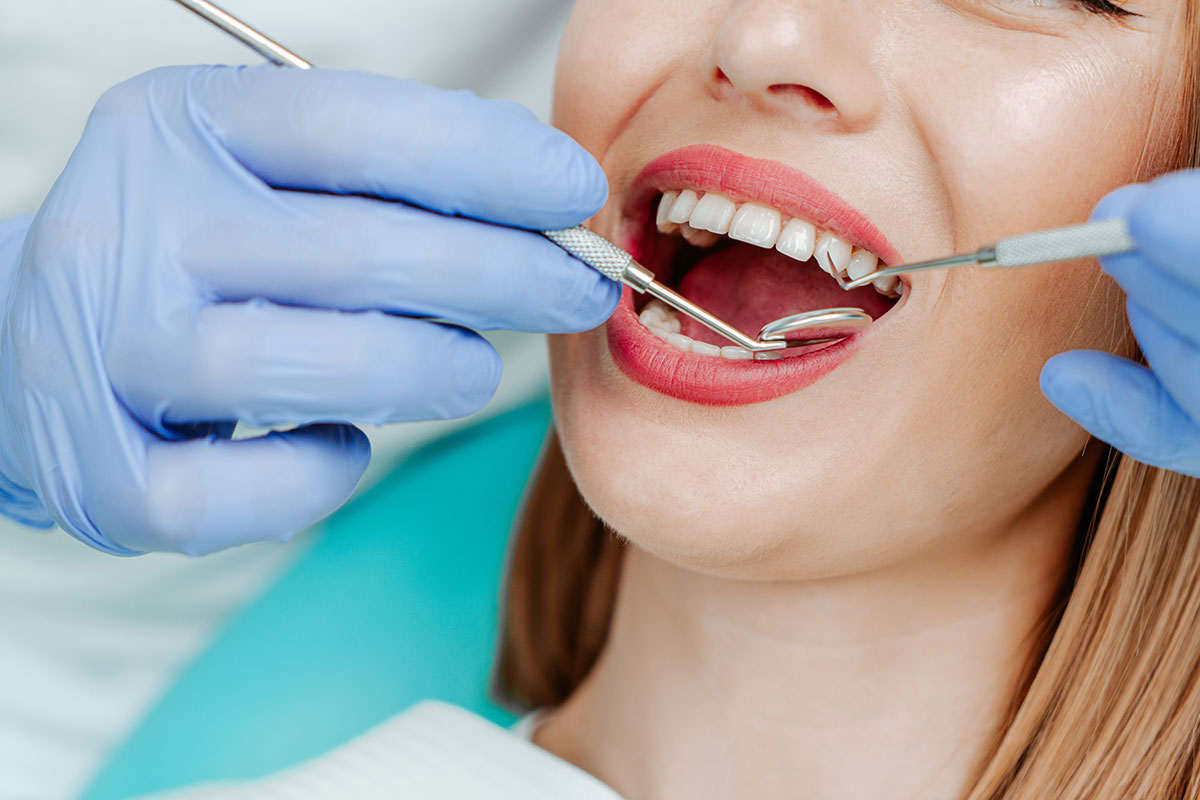
Restoring and Enhancing Your Smile and Oral Function
Oral surgery is a specialized branch of dentistry focused on diagnosing and treating conditions, injuries, and aesthetic concerns related to the mouth, teeth, gums, and jawbones. Oral surgical procedures can improve oral health, restore chewing and speaking function, and enhance the appearance of your smile.
What Are the Most Common Oral Surgery Procedures?
- Tooth extractions: Removal of teeth that are severely damaged due to decay, fracture, periodontal disease, or impacted teeth (such as wisdom teeth) that cause problems.
- Periodontal disease treatment: Surgical procedures to clean periodontal pockets, regenerate bone, and stabilize teeth.
- Dental implants: Surgical placement of artificial roots (implants) into the jawbone to replace one or more missing teeth.
- Bone reconstruction: Surgical augmentation of the jawbone to create a sufficient foundation for implants or support dentures.
- Soft tissue procedures: Surgical removal of cysts, tumors, or other pathological tissues.
- Aesthetic procedures: Treatments such as gingivectomy (gum lifting) to improve the appearance of the smile.
When Should I Consult an Oral Surgery Specialist?
It is important to seek a specialist if you experience any of the following:
- Severe tooth or gum pain
- Swelling in the face or mouth
- Difficulty chewing or swallowing
- Gum bleeding
- Tooth sensitivity
- Loose teeth
- Aesthetic concerns such as a gummy smile
What Are the Benefits of Oral Surgery?
Oral surgery can offer significant benefits:
- Restoration of oral function: Improved chewing, speaking, and eating comfort.
- Pain relief: Elimination of pain caused by dental, gum, or jawbone issues.
- Prevention of further damage: Treatment of conditions such as periodontal disease before they cause severe harm.
- Boosted confidence: Enhanced smile appearance and self-esteem.
How Should I Prepare for Oral Surgery?
Before the procedure, the dentist will provide detailed instructions, which may include:
- Stopping specific medications
- Avoiding smoking and alcohol
- Informing the dentist about allergies or medical conditions
Recovery After Oral Surgery
Recovery varies depending on the procedure. Post-operative care instructions may include:
- Soft-food diet
- Ice application
- Medication use
- Oral hygiene guidance
Contact Us
If you have any questions about oral surgery or wish to schedule an evaluation appointment, do not hesitate to contact us. We are here to help you achieve a healthy, radiant smile.